PM Modi Urges Indians to Skip Gold; Rahul Gandhi Calls It 'Failure'
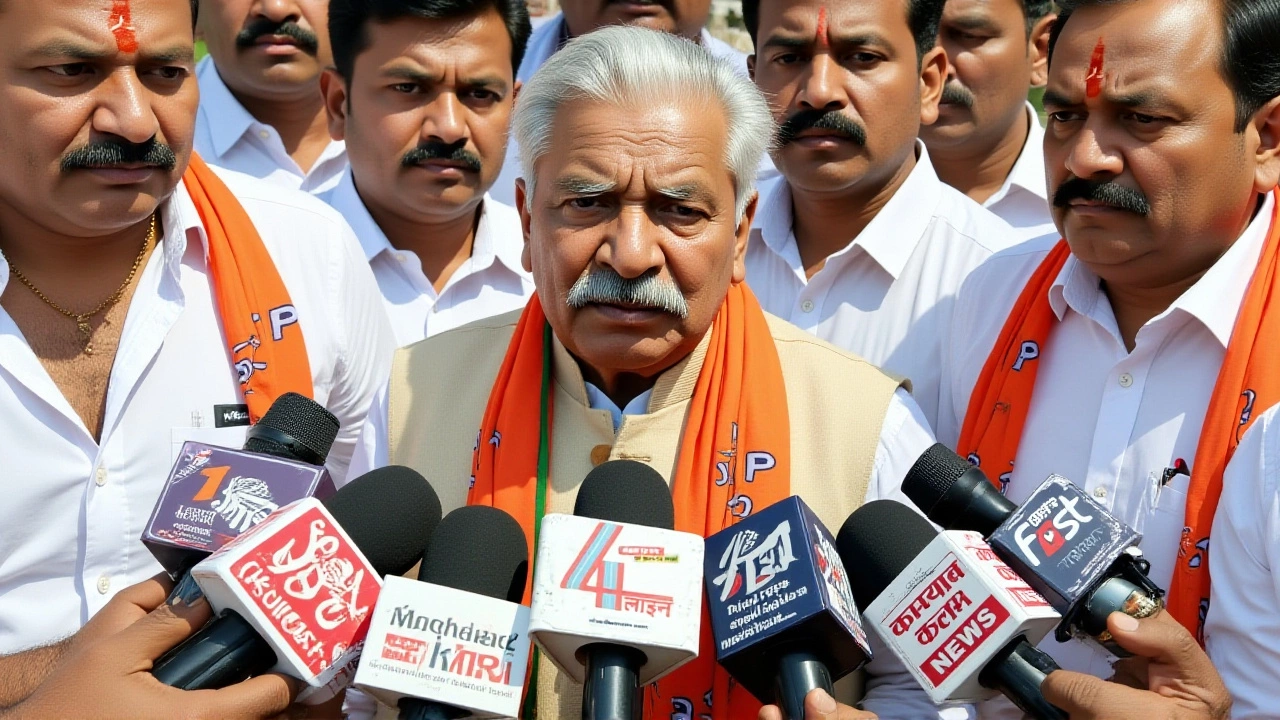
When Narendra Modi, Prime Minister of India, took the stage in Hyderabad last week, he didn’t just talk about policy. He asked citizens to stop buying gold for a year. The request came amid escalating tensions in the Middle East, specifically referencing the conflict involving Iran, and framed as a patriotic duty to protect the nation’s economic stability. But within hours, the political backlash was swift. Rahul Gandhi, Leader of the Opposition in the Lok Sabha, fired back on X (formerly Twitter), calling the appeal not advice, but "proof of failure."
The twist is that this isn't just about jewelry. It's about billions of dollars flowing out of the country every year. Here's why this debate matters right now.
The Appeal: Patriotism or Panic?
Speaking at a public rally in Hyderabad, the capital of Telangana state, Bharatiya Janata Party leader Modi urged Indians to make sacrifices. His list was specific: don’t buy gold for at least one year, reduce international travel, burn less petrol, use metro services more, and companies should encourage work-from-home arrangements.
He tied these requests directly to national interest. The logic? India is the world’s second-largest consumer of gold. When we buy gold, we pay in US dollars. That drains our foreign exchange reserves. With global markets jittery due to the Iran conflict and broader Middle Eastern instability, every dollar saved helps stabilize the rupee and protects the economy from external shocks.
"In times of crisis, patriotism means deciding that no matter what function or event happens at home, we will not buy gold ornaments," Modi reportedly told the crowd. He presented it as a moral choice, a test of commitment to the nation during uncertain times.
The Backlash: "Proof of Failure"
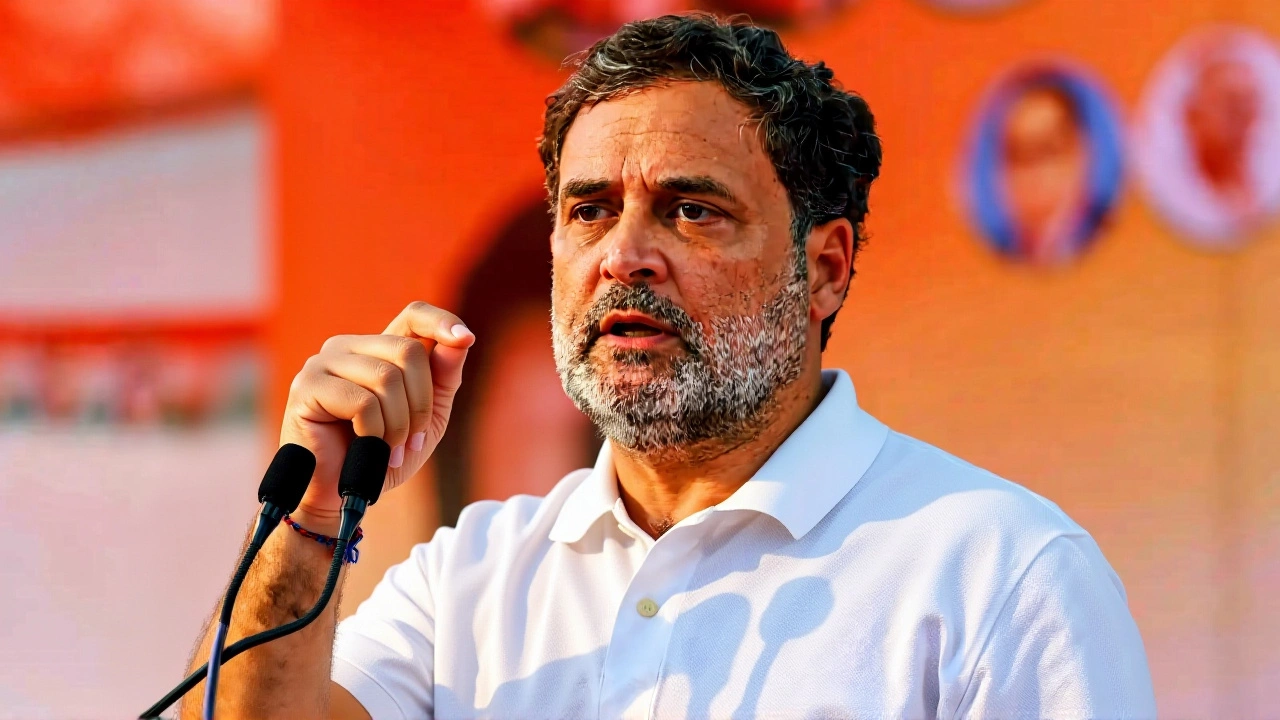
But wait. Not everyone saw it as a noble sacrifice. Indian National Congress leader Rahul Gandhi wasted no time criticizing the move. On social media platform X, he posted a sharp rebuttal.
"Modi ji yesterday asked the public for sacrifice - don't buy gold, don't go abroad, burn less petrol, reduce fertilizer and edible oil consumption, take the metro, work from home. These are not instructions - they are proof of failure," Gandhi wrote.
Gandhi’s argument cuts deep into the core of political accountability. If the government manages the economy well, why ask citizens to change their lifestyle habits? Why frame basic consumption choices as acts of treason or lack of patriotism? For the opposition, this appeal signals that the ruling party has lost control over macroeconomic fundamentals like inflation, fuel prices, and currency stability.
The Numbers Behind the Noise
Let’s look at the data. According to figures cited by the Reserve Bank of India, India currently holds approximately $691 billion in foreign exchange reserves. On paper, that sounds massive. In fact, it’s considered robust by global standards.
So why the urgency? Experts point to two factors. First, while $691 billion is large, it needs to cover imports, debt servicing, and market interventions. Second, gold imports alone account for a significant chunk of dollar outflows. Reducing demand could theoretically ease pressure on the current account deficit.
Meanwhile, fuel prices remain a pain point for everyday consumers. Data from Indian Oil Corporation Limited shows petrol priced at ₹94.77 per liter and diesel at ₹87.67 per liter in New Delhi. Those aren’t round numbers—they’re precise indicators of the financial burden on households. When Modi asks people to "burn less petrol," he’s touching a raw nerve for commuters who already feel the pinch at the pump.
No Ban, Just a Request
Here’s the thing: there is no law stopping you from buying gold today. Government officials have clarified that this is a voluntary appeal, not a legal restriction. No new taxes, no bans, no regulations announced yet.
However, the language used—linking personal spending to national security—has sparked anxiety. Are we heading toward rationing? Will there be future restrictions? Analysts suggest that while immediate bans are unlikely, sustained high imports could force policymakers’ hands later. The message seems to be: adjust now, or face stricter measures later.
What This Means for You
This debate goes beyond politics. It reflects a deeper tension between individual freedom and collective responsibility. For families planning weddings or festivals, skipping gold might mean altering traditions passed down for generations. For businesses, pushing work-from-home policies affects office leases and urban transport systems.
And for voters, it’s a clear signal of how each party views governance. One side sees crisis management through citizen cooperation. The other sees it as an admission of systemic mismanagement. As the Iran situation evolves and global energy markets fluctuate, this conversation will only intensify.
Frequently Asked Questions
Is buying gold illegal in India now?
No, buying gold is completely legal. Prime Minister Narendra Modi’s call to pause gold purchases for one year is a voluntary appeal based on patriotic grounds, not a legal mandate. There are no new laws, fines, or bans associated with this request.
Why does gold affect foreign exchange reserves?
India imports most of its gold, paying for it in US dollars. Since India doesn’t produce enough gold domestically, high domestic demand leads to significant dollar outflows. Reducing imports helps conserve foreign exchange reserves, which are crucial for stabilizing the rupee and managing international trade obligations.
What did Rahul Gandhi say about the appeal?
Rahul Gandhi criticized the appeal on social media, stating that asking citizens to cut back on gold, travel, and fuel is not guidance but "proof of failure." He argued that such requests indicate poor economic management by the government rather than genuine national crisis requiring public sacrifice.
How much foreign exchange reserve does India have?
According to recent data from the Reserve Bank of India, India holds approximately $691 billion in foreign exchange reserves. While this is considered strong globally, experts note that reserves must also cover import bills, debt repayments, and market stabilization efforts, making conservation important during geopolitical uncertainties.
Will the government ban gold imports in the future?
There are no official plans to ban gold imports. However, analysts warn that if voluntary appeals fail to reduce demand and geopolitical tensions worsen, the government might consider regulatory measures like higher import duties or quantitative restrictions to protect economic stability.