Silambam Guru K. Pajanivel Performs Sashtang Pranam to PM Modi at Padma Awards
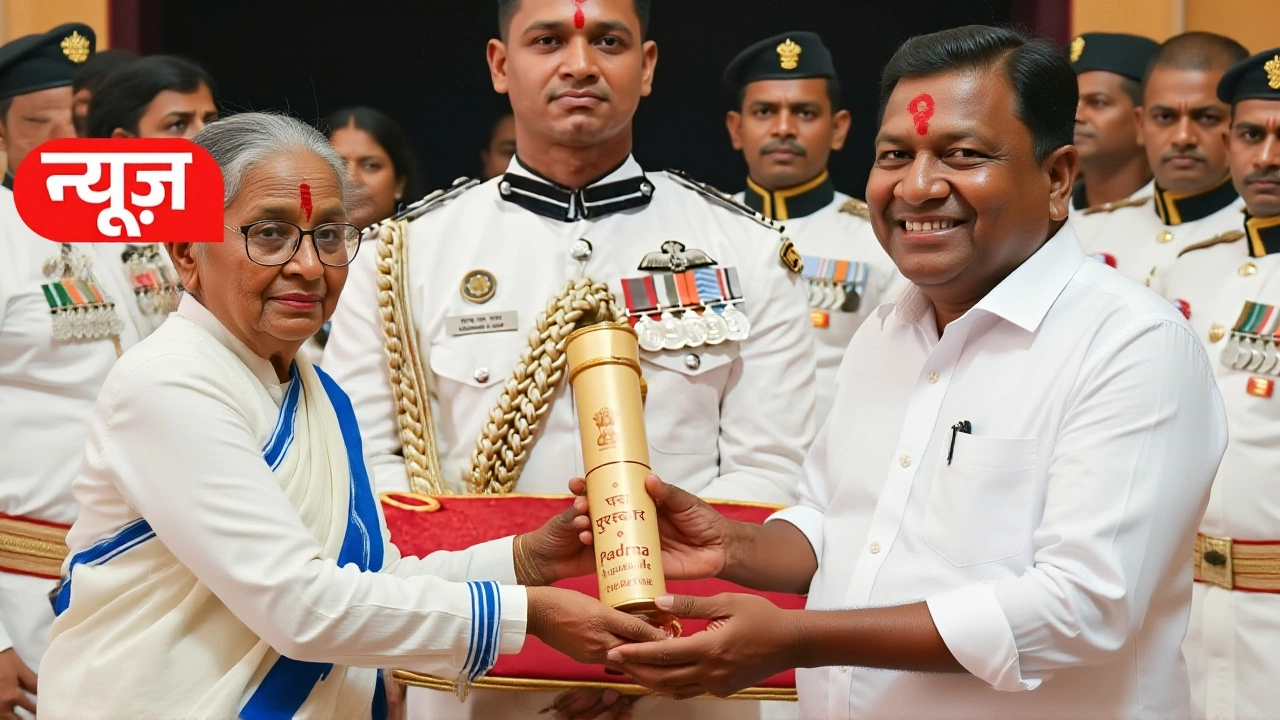
It’s not every day that a formal state ceremony gets hijacked by a moment of raw, unscripted devotion. At the Padma Awards CeremonyRashtrapati Bhavan in New Delhi, martial arts master K. Pajanivel, Silambam guru from Puducherry did exactly that. Before stepping onto the stage to accept his Padma Shri, he lay flat on the marble floor, performing a full-body prostration known as *sashtang pranam* right in front of Prime Minister Narendra Modi, Prime Minister of India.
The video clip, which has since gone viral across social media platforms, captures a striking contrast: the rigid protocol of India’s highest civilian honors meeting the deep-rooted cultural reverence of a traditional artist. It wasn’t just a nod or a handshake. It was a complete surrender of ego, a gesture that stopped the room and immediately sparked national conversation.
A Gesture That Broke Protocol
Here’s the thing about state ceremonies—they’re choreographed down to the second. You walk up, you shake hands, you smile for the cameras, you go back to your seat. But Pajanivel, a dedicated practitioner and teacher of Silambam, the ancient Tamil martial art involving staff fighting, chose a different path.
As reported by Hindi news outlet Aaj Tak, Pajanivel paused before reaching the dais. Instead of proceeding directly to the President’s table, he turned toward the Prime Minister’s box. There, he lowered himself completely to the ground. This isn’t just bowing; it’s a ritualistic act of humility often seen in religious contexts, rarely in political ones.
Why does this matter? Because in a country where respect for authority is deeply woven into the cultural fabric, seeing it expressed so visibly—and so physically—in a secular government setting is rare. The footage, circulating widely with captions like "Martial Arts Guru Lies on Floor Before PM," highlights a clash between modern bureaucratic formality and traditional Indian values of *shraddha* (reverence).
The Rise of Silambam in National Spotlight
To understand why Pajanivel received the award in the first place, you have to look beyond the viral moment. Silambam isn’t just a sport; it’s a heritage. Originating in Tamil Nadu and Puducherry, it dates back centuries and involves complex footwork and staff techniques. For decades, it remained largely regional, practiced in local schools and temples.
Pajanivel’s recognition with the Padma Shri marks a significant shift. It signals the Indian government’s increasing focus on preserving indigenous martial arts alongside more globally recognized forms like Karate or Judo. By honoring a Silambam guru, the state is validating a piece of South Indian cultural identity that has historically been underrepresented in national narratives dominated by North Indian traditions.
But wait—the award itself didn’t cause the buzz. The gesture did. Aaj Tak noted that his "special style" (*khas andaaz*) became the talk of the town almost instantly. Within hours, clips were being shared on Twitter, Instagram, and YouTube, with users debating whether the act was appropriate, respectful, or perhaps too theatrical for such a solemn occasion.
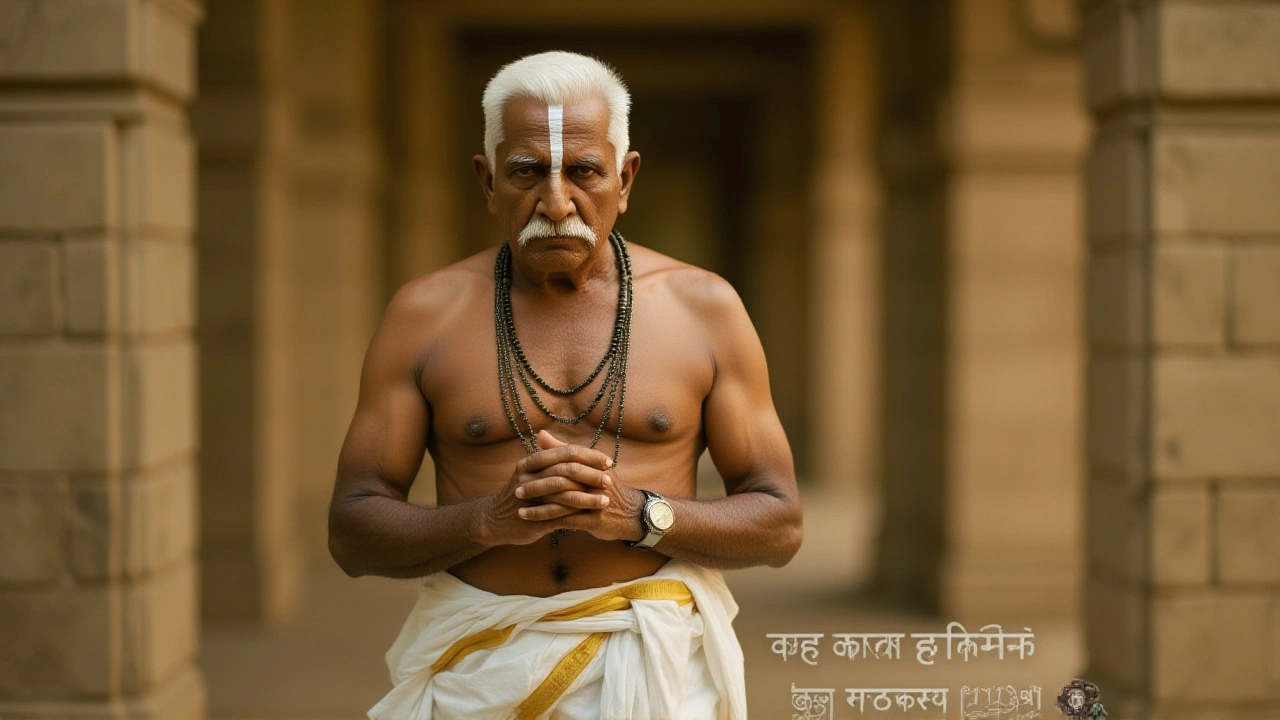
Reactions: Respect vs. Formality
So, what are people saying? The reaction has been sharply divided, reflecting broader societal tensions around tradition and modernity.
On one side, supporters praise Pajanivel’s authenticity. Many viewers saw the *sashtang pranam* as a genuine expression of gratitude, rooted in the discipline of martial arts where humility is paramount. "He didn’t come for politics," one popular comment read. "He came to honor his roots." Others pointed out that Modi himself has often emphasized traditional Indian values, making the gesture politically resonant rather than disruptive.
On the other hand, critics argue that such displays undermine the secular nature of state awards. Some journalists questioned whether public figures should perform religious-style prostrations in government venues. "Is this a political stunt or personal devotion?" asked one editorial column. The ambiguity is intentional—or maybe just accidental—but it fuels the debate.
Interestingly, neither the Prime Minister’s office nor the Ministry of Culture issued an official statement addressing the incident. Silence, in this case, speaks volumes. It suggests that while the moment was notable, it wasn’t controversial enough to warrant intervention. Or perhaps it was too culturally sensitive to comment on publicly.
Why This Moment Sticks
Turns out, we’re living in an era where visuals trump text. A written press release about Pajanivel receiving the Padma Shri would have been forgotten by tomorrow. But a video of him lying on the floor? That’s immortalized.
This isn’t the first time a Padma awardee has drawn attention for unconventional behavior. In previous years, recipients have declined awards, protested policies, or made political statements during acceptance speeches. But Pajanivel’s act was non-verbal, physical, and deeply symbolic. It bypassed language barriers and struck an emotional chord.
Experts suggest this reflects a growing trend: citizens using high-profile platforms to express cultural identity. Whether it’s wearing traditional attire, speaking regional languages, or performing rituals, individuals are reclaiming space in national ceremonies. Pajanivel’s prostration fits neatly into this pattern—a quiet rebellion against homogenized state etiquette.
What’s Next for Traditional Martial Arts?
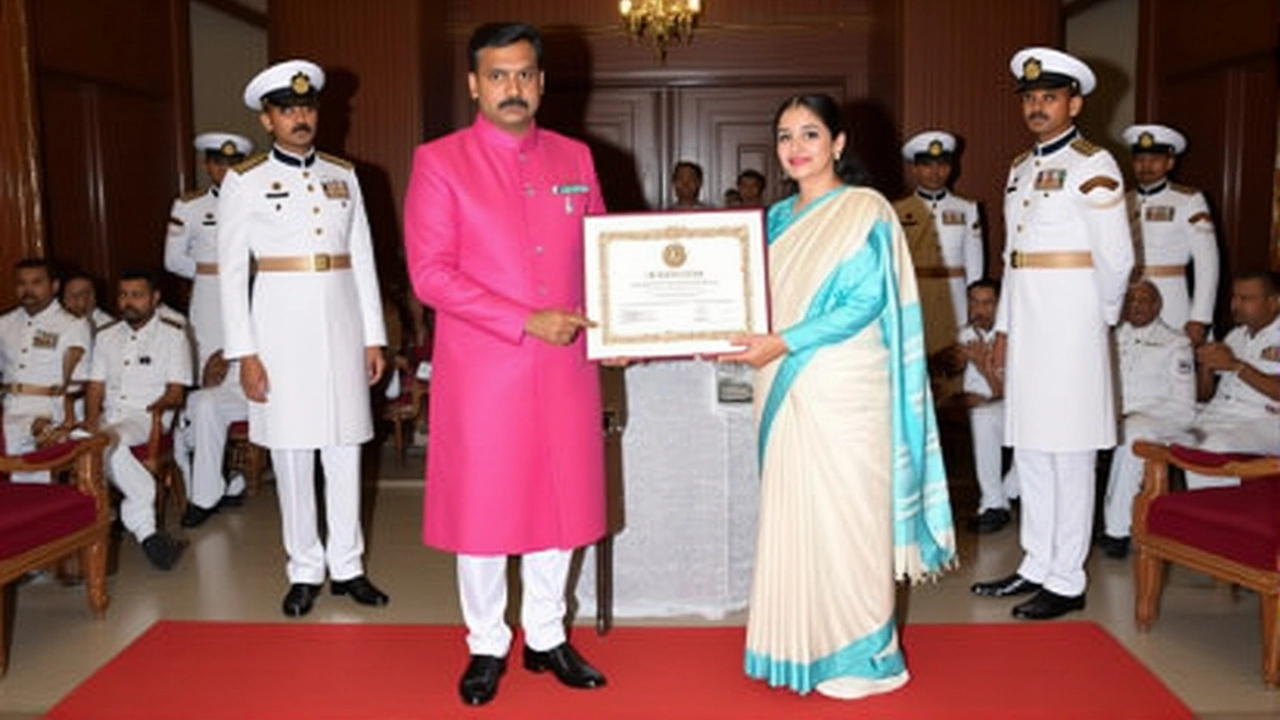
The immediate aftermath? More visibility for Silambam. Schools in Puducherry and Tamil Nadu report increased interest in enrolling students after the ceremony. Local governments may now push for greater funding for traditional arts programs, citing Pajanivel’s success as proof of concept.
For Pajanivel personally, the spotlight brings both opportunity and pressure. He’ll likely face more invitations to speak, demonstrate, and represent his art form nationally. But he’ll also be scrutinized—every move analyzed for political meaning. Can he maintain the balance between artist and public figure? Only time will tell.
In the meantime, the video continues to circulate. Each share reinforces the idea that in India, culture and politics are inseparable. And sometimes, the most powerful statements aren’t spoken at all.
Frequently Asked Questions
Who is K. Pajanivel and why did he receive the Padma Shri?
K. Pajanivel is a renowned Silambam guru from Puducherry, recognized for his contributions to preserving and promoting this traditional Tamil martial art. He received the Padma Shri, India’s fourth-highest civilian award, for his service in the field of art and culture, specifically for revitalizing interest in indigenous combat styles among younger generations.
What is sashtang pranam and why is it significant?
Sashtang pranam is a traditional Indian gesture of deep respect involving touching eight parts of the body (head, chest, two hands, two knees, and two feet) to the ground. It signifies total humility and surrender. Its significance lies in its rarity in formal state settings, making Pajanivel’s act a powerful cultural statement rather than mere politeness.
Did Prime Minister Narendra Modi react to the gesture?
Video footage shows Prime Minister Narendra Modi observing the gesture calmly without interrupting the ceremony. While no verbal response was recorded, his lack of objection was interpreted by many as tacit approval. Official statements from his office regarding the specific incident remain absent, leaving room for public interpretation.
How has the video impacted social media discourse?
The video went viral rapidly, accumulating millions of views across platforms like Twitter, Instagram, and YouTube within days. It sparked debates on cultural expression in politics, with hashtags related to Silambam and Pajanivel trending. Critics called it inappropriate, while supporters hailed it as authentic devotion, highlighting polarized views on tradition versus secular protocol.
Will this lead to more recognition for traditional martial arts?
Yes, experts believe Pajanivel’s visibility will boost interest in Silambam and similar arts like Kalaripayattu. Government bodies may allocate more resources for training centers and competitions. The incident underscores a broader policy shift toward valuing indigenous heritage, potentially inspiring other practitioners to seek national acknowledgment through cultural preservation efforts.